Local SEO in 2026: what actually moves the map pack
Categories, proximity and review velocity do most of the work. Here is where to spend your first ten hours, and what to ignore.
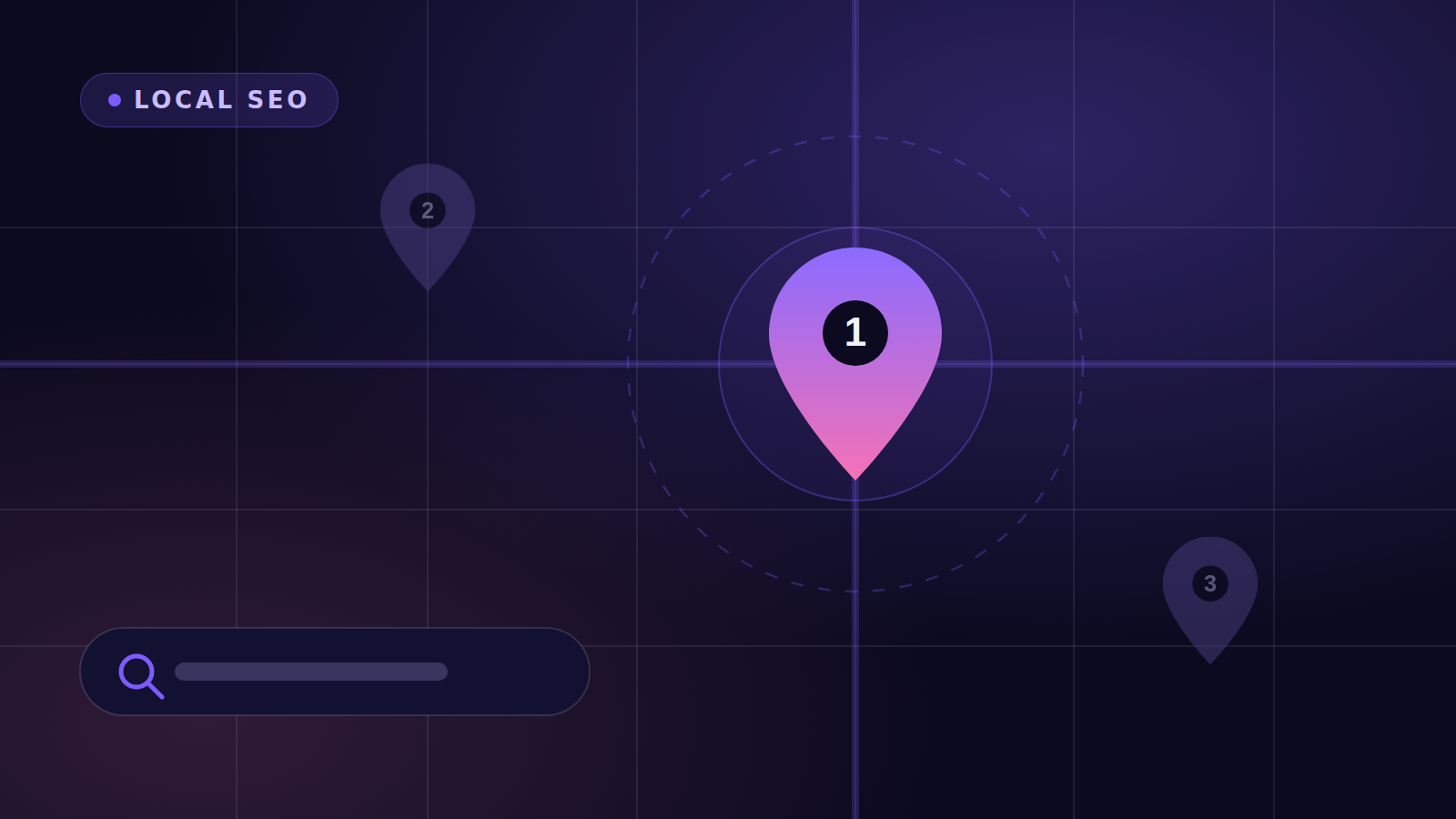
If you sell to people within driving distance, the three map results above the organic listings are the most valuable real estate on the page. They are also the part of search most businesses treat as a set-and-forget listing.
After running local campaigns across trades, clinics, hospitality and multi-site retail, the pattern is consistent. A small number of factors move the map pack, and a long tail of tactics people obsess over do very little.
The three that matter most
1. Your primary category
This is the single strongest lever and it is one dropdown. Google matches queries to categories before it considers much else. A dentist listed under “Dentist” and one listed under “Cosmetic dentist” compete for materially different searches. Look at what the businesses ranking above you have chosen — that is your answer, not the category that best describes how you see yourself.
2. Proximity to the searcher
You cannot change your address, but you can change what you rank for around it. Grid-based rank tracking shows you where in your catchment you appear and where you vanish. That map tells you which location pages to build and where paid search has to fill the gap.
3. Review velocity, not review count
A steady flow of recent reviews outperforms a large pile from three years ago. Five a month, consistently, beats fifty in one burst — and the burst pattern is exactly what Google’s spam systems look for.
Worth doing, second order
- Complete the profile. Services, products, attributes, opening hours including bank holidays, booking links. Completeness correlates with performance and costs you an afternoon.
- Citation consistency. Your name, address and phone identical everywhere Google cross-references. Worth a clean-up once, not worth a monthly subscription forever.
- Google Posts. Modest ranking effect, real click-through effect. Treat them as shop-window content.
- Photographs. Real ones, added regularly. Stock imagery is obvious and does nothing.
What to stop worrying about
Keyword-stuffing your business name still works occasionally and will eventually get you suspended — the risk is badly asymmetric. Paid citation blasts across hundreds of low-quality directories do almost nothing. And review gating, where you screen for happy customers before asking, breaches Google policy.
If you do one thing this week: open your profile, check the primary category against the top three businesses ranking for your main search term, and fix it if it is wrong.
It takes ten minutes and it is regularly the highest-return change we make for a new client.